
Genovesa Island
Also known as Tower or as bird Island in the Galapagos
Genovesa, one of the Galapagos Islands of Ecuador, has many unique features, which make it one of the most interesting places to visit in the area. Travelers who are looking for special, peculiar and exciting experiences love to come to this small but geologically varied destination in the region. If you are a traveler off the beaten trail then you might love many breathtaking marvels of Nature you are likely to find at Genovesa. Known for its exceptional beauty and a long list of fun activities, this place has created its own fan following amongst admirers today.
The Geological uniqueness leaves a lasting impression on travelers, it occupies about 5 square miles of the area but every nook and corner has its sensational charm and aura, which draws you to it. Genovesa itself has the shape of a horseshoe and is known for its volcanic caldera, which is unique in its own right. The lavas found here are more identical in chemistry to those that one finds in ridges in the middle of the ocean. That’s in sharp contrast to other oceanic lavas, which is one of the reasons why many travelers who have an avid interest in geology, keep coming back here for more. The caldera wall has collapsed to form the Great Darwin Bay, which is cradled by beautiful cliffs.
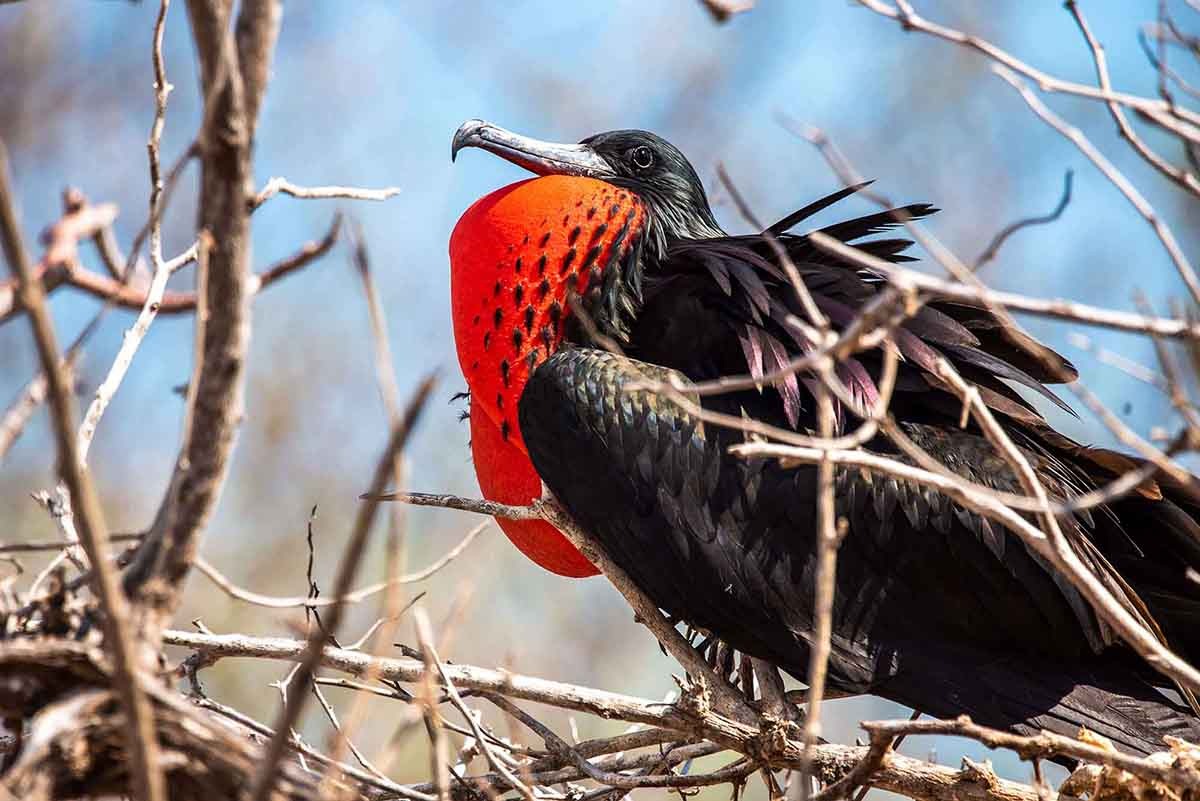
There’s Lake Arcturus, right in the middle, and it’s filled with salt water. The astonishing thing is that the sediments that are found in this lake are about 6000 years old. The Bird Island makes for the perfect destination for wildlife lovers. The name has been fondly given to the place because of its natural habitat, including huge bird colonies that make their home here. Frigatebirds are found in plenty, and one can also spot tropicbirds, storm petrels, local Mockingbirds, swallow-tailed gulls, and Nazca Boobies. But one of the greatest attractions of the place remains the gorgeous Red-Footed Booby. In fact, it’s probably the best place in the archipelago to spot this vivacious bird found in the region.
When travelers follow the Prince Philip’s Steps, a brilliant steep path, they find their way through seabird colonies that are always buzzing with activity. And the path leads to cliffs, which are absolutely beautiful. You can indulge in activities like swimming, snorkeling, and diving when here, and make the most of your time. Known for its peculiarity and natural beauty, Genovesa is a place to visit when you are in the region.
