
North Seymour Island
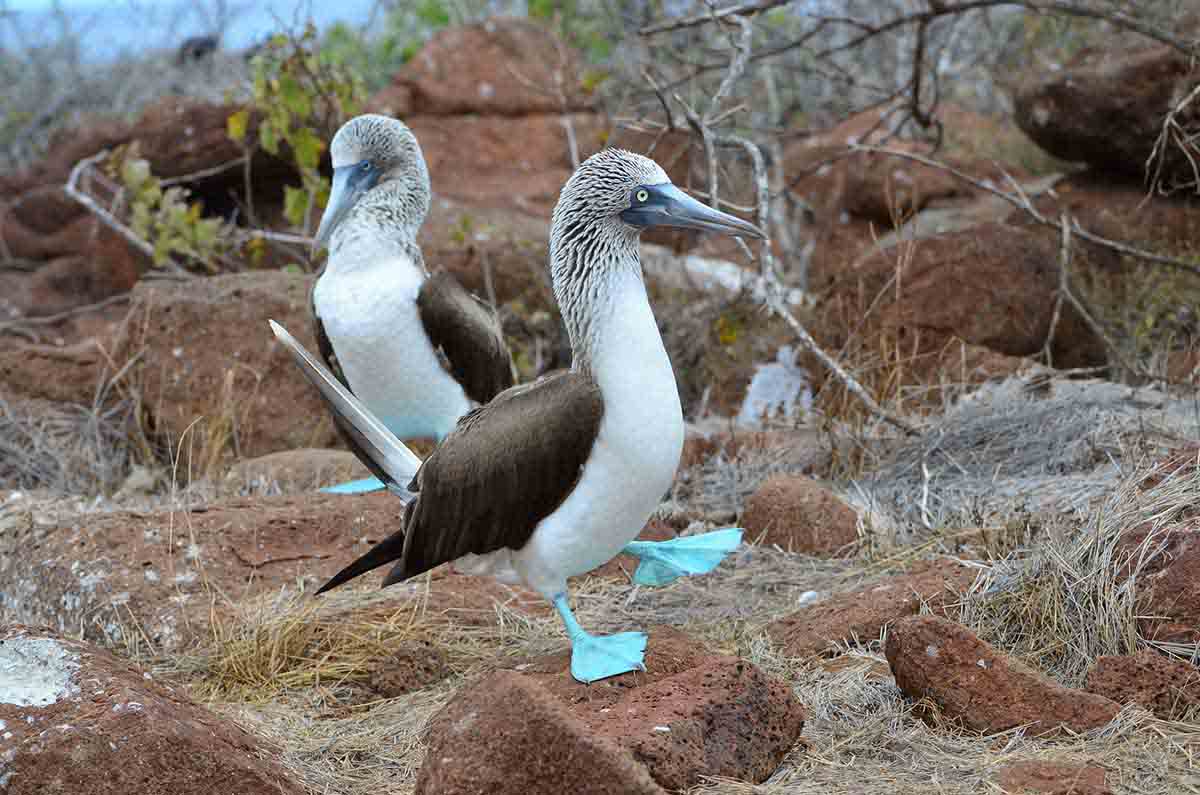
North Seymour Island blue footed boobies & other Galapagos wildlife
Located off the coast of Ecuador in South America, the Galapagos Islands is a favorite tourist destination for its unique community of species, largely untouched by human influence. North Seymour is one of the central islands that form part of the archipelago. Galapagos Cruise trips are among the most popular ways to enjoy Galapagos wildlife and of course, visit North Seymour Island. Since the island is quite small; at less than 2 square kilometers; it’s the perfect stop to stretch out your legs and enjoy the nature that North Seymour can offer.
Visit North Seymour Island
Hop off from your ship for a leisurely stroll and be amazed by the distinct wildlife you will find here. The coast of North Seymour will surely delight you with all its natural sights to offer. You will definitely be delighted by the sight of various animals that live on the island and its surrounding waters – from sea turtles, swallow tail gulls, sea lions, marine and land iguanas and yes, even flamingos. You might even have to occasionally give way to crossing iguanas when you walk along the marked trail of the island.
Named after an English nobleman, Lord Seymour, North Seymour Island’s claim to fame is the fact that it is home to the extremely photogenic and magnificent frigate birds as well as the blue-footed boobies. This island is an astonishing place for breeding these birds and nowhere else will you be able to see these species in their most natural habitat.
Frigatebirds are essentially aerial birds. They can actually stay aloft for more than a week, only swooping down to catch a fish or two. Here at North Seymour, you can catch a glimpse or two of these large, black feathered birds as they skim across the water for food. Or, as these birds are highly pirate-like in nature, they’d be dive bombing other birds for food!
On the other hand, the easily recognizable blue-footed boobies will amuse you with their dance-like mating ritual. Come in the right season and you will surely be able to spot along the trail a proud, male booby showing off with their; special courtship dance. The male booby would lift his feet in succession, strutting themselves in front of the females, whistling and honking to catch attention. It’s definitely fun to watch!
