Ecuador Vacations - 2024 and 2025 Vacation Packages
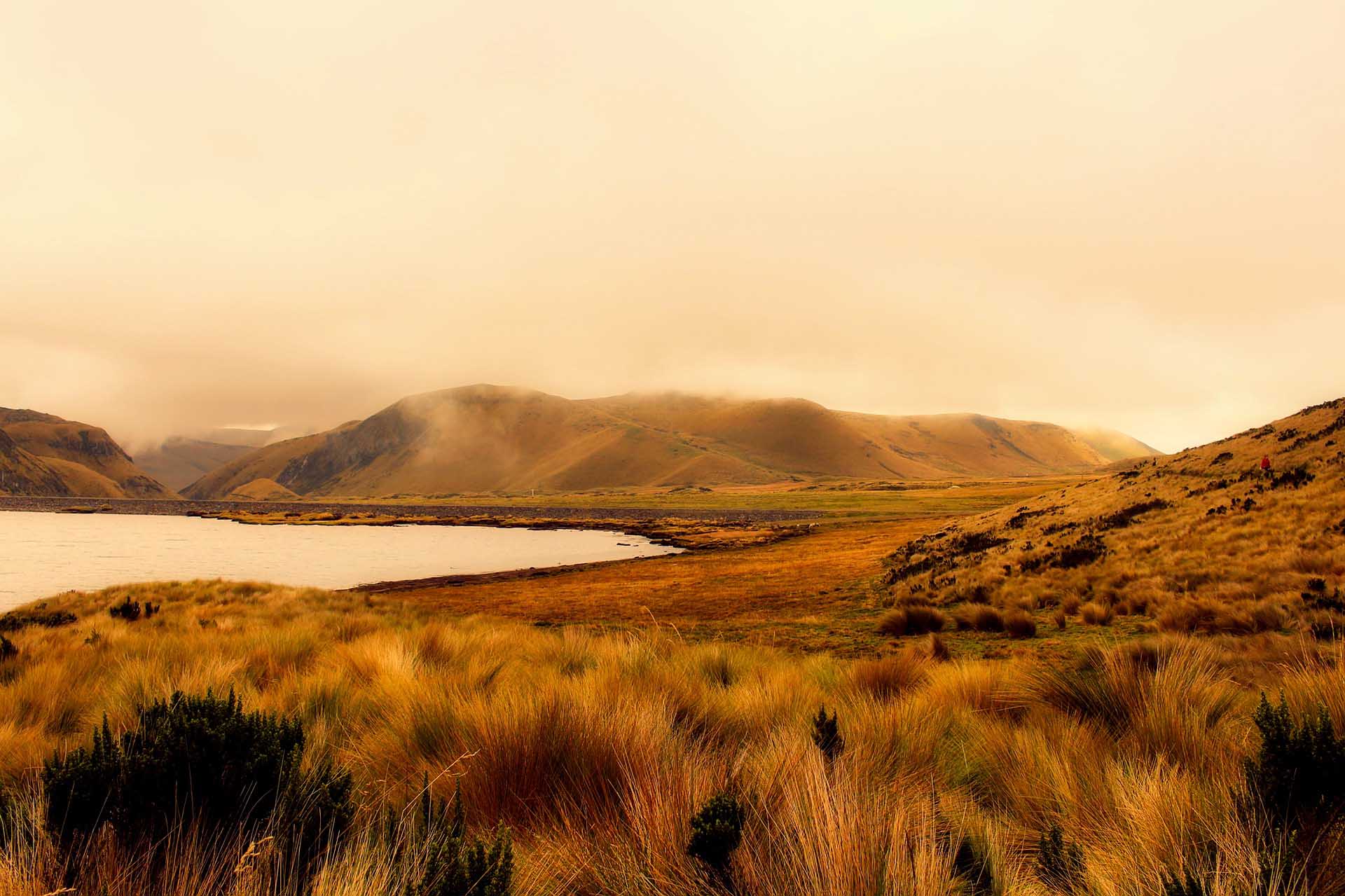
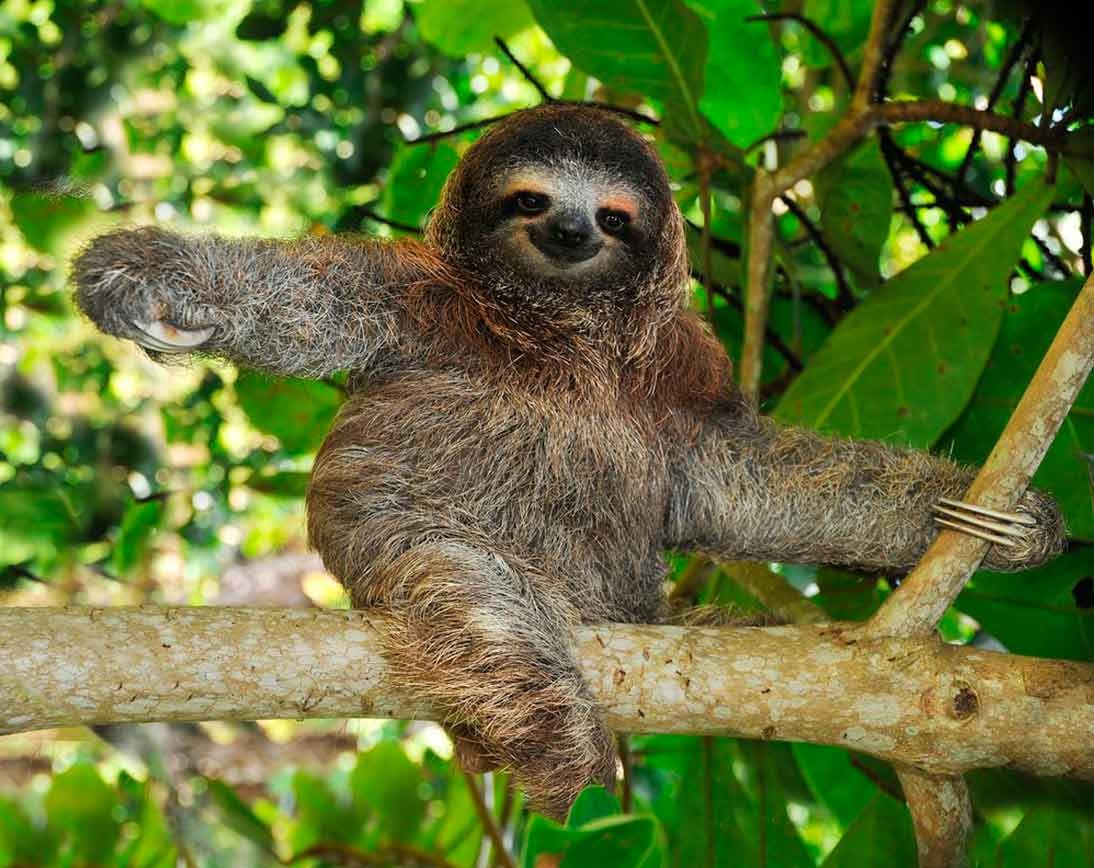
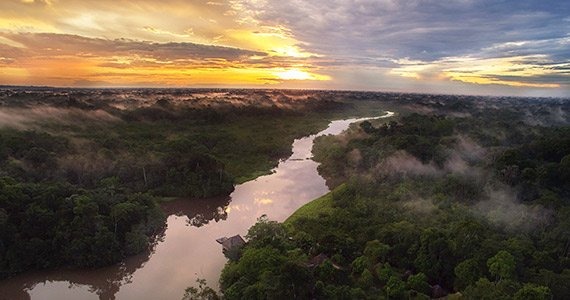
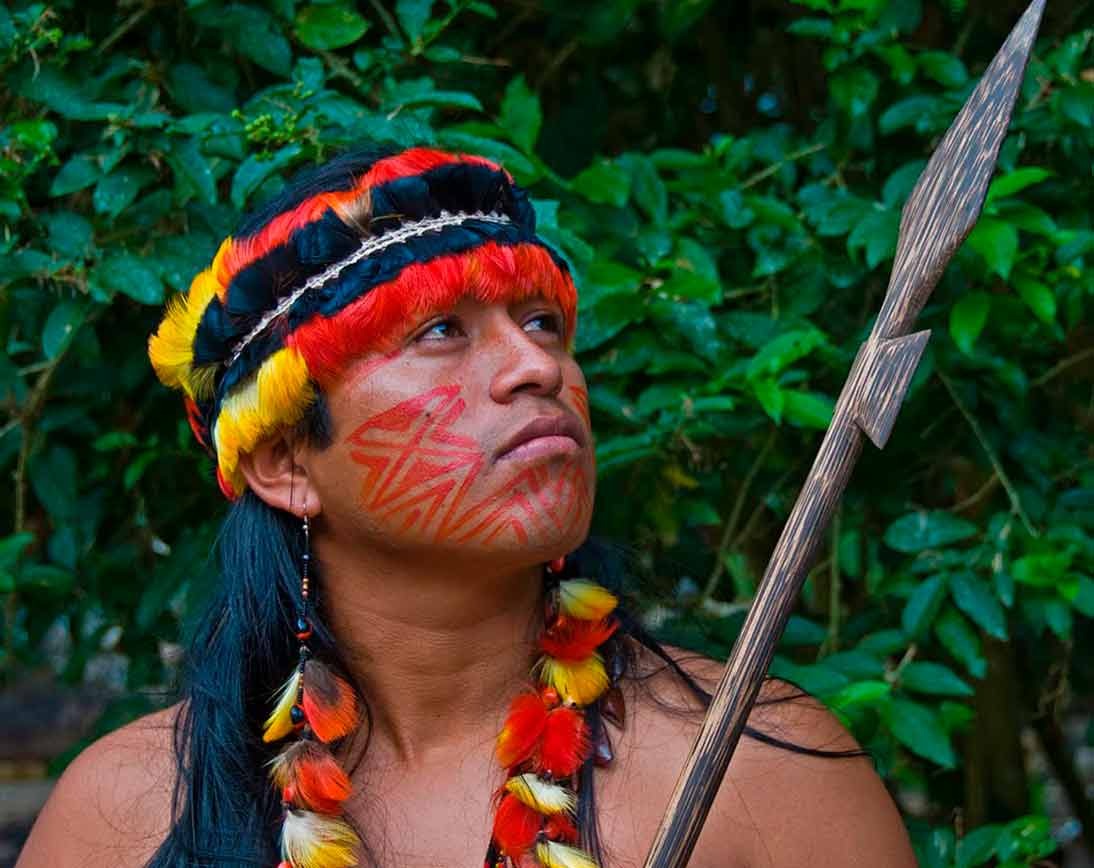
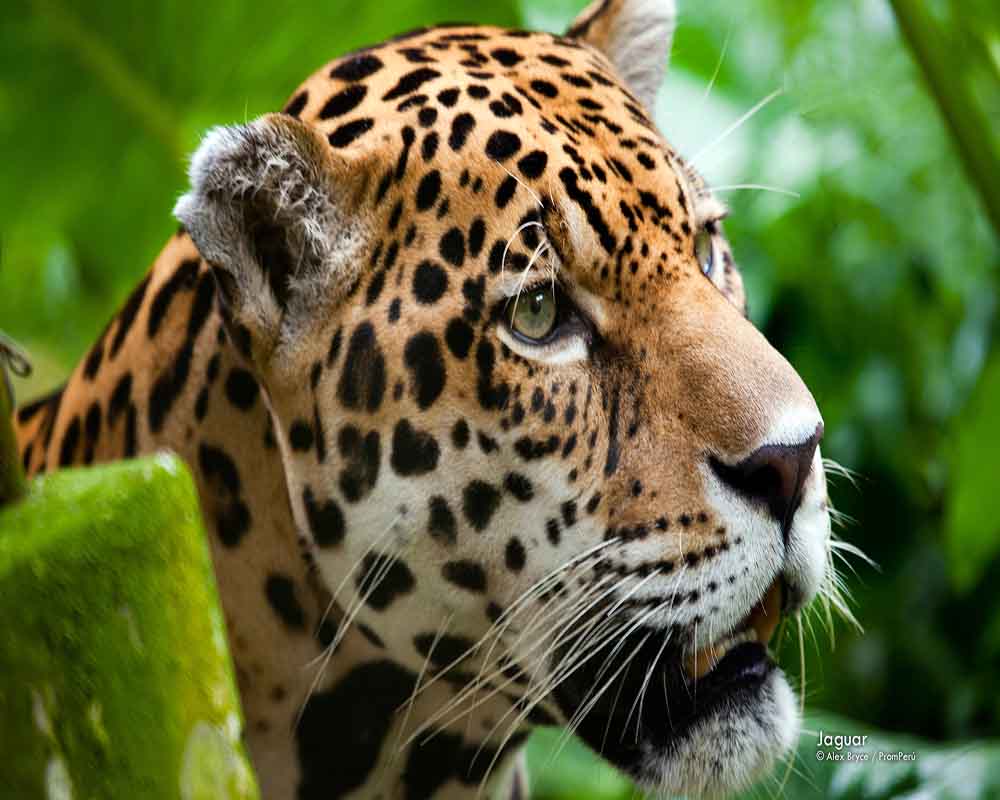
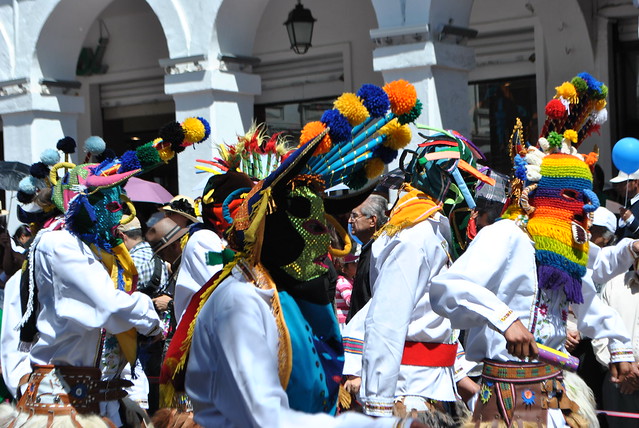
Ecuador vacations are memorable for sure!. Its four regions hold amazing and biodiverse wildlife and rich culture expressed lively by its many ethnic groups and Colonial heritage. The abundance of animal and plantlife is quite impressive considering the small territory that the Country has; also its gastronomy is well known in the Region for its uniqueness and diversity provided with love by the PachaMama (Mother Earth).
The Best Ecuador Deals
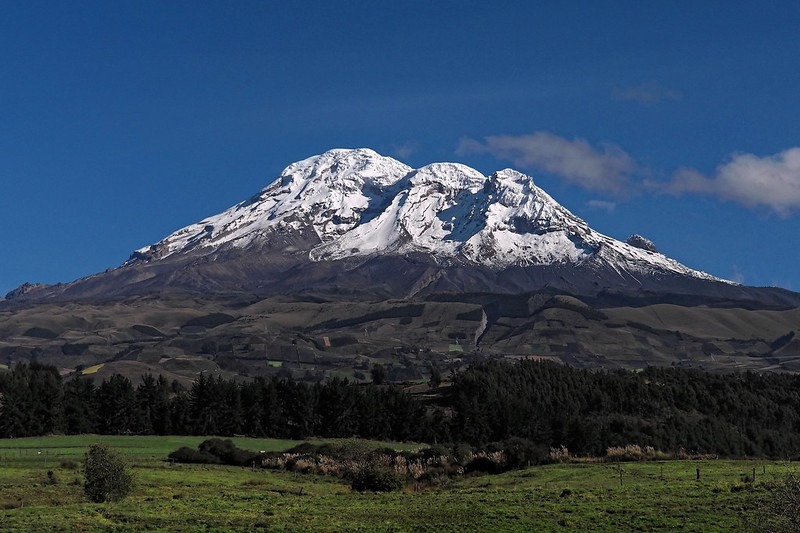
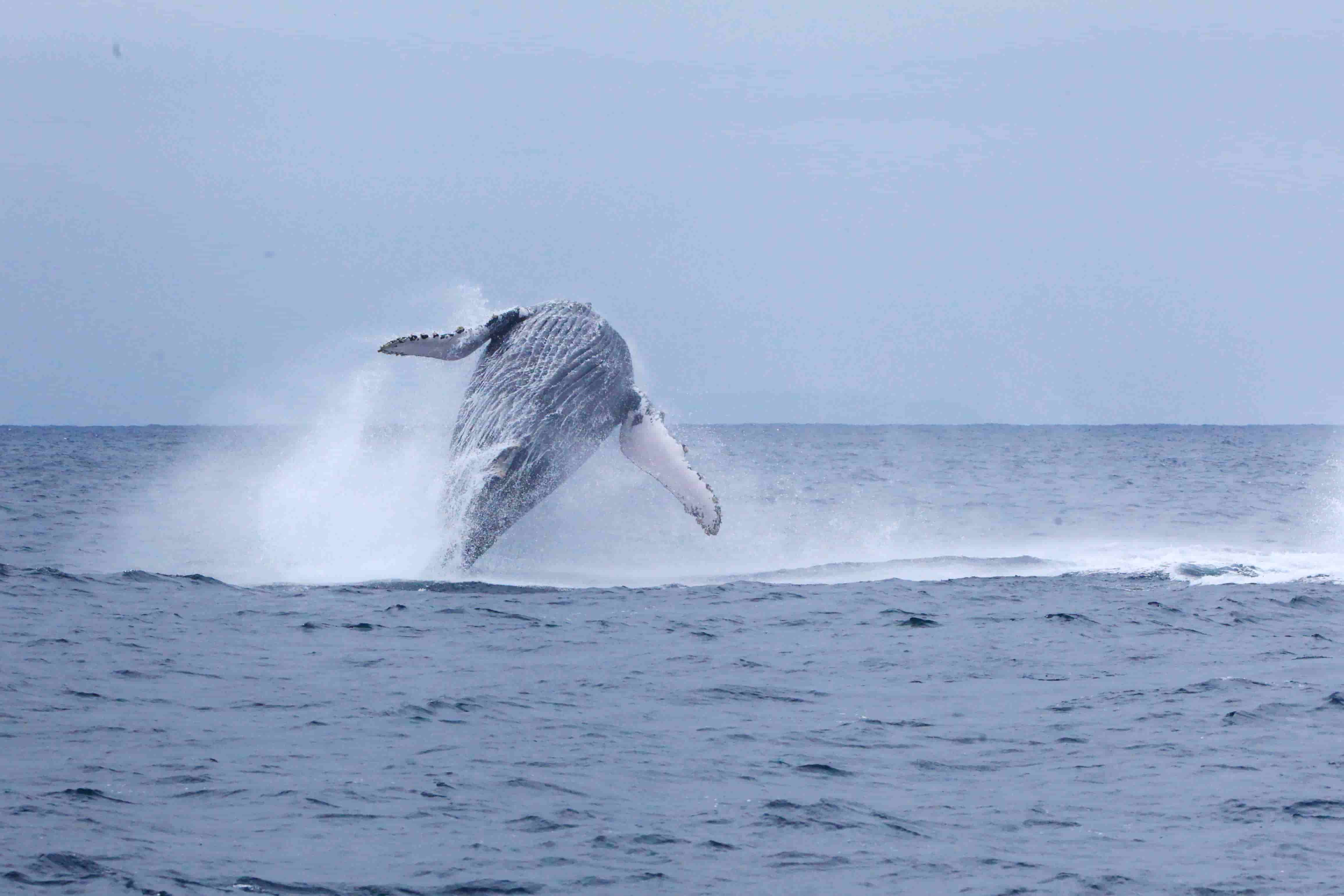
The four regions of Ecuador
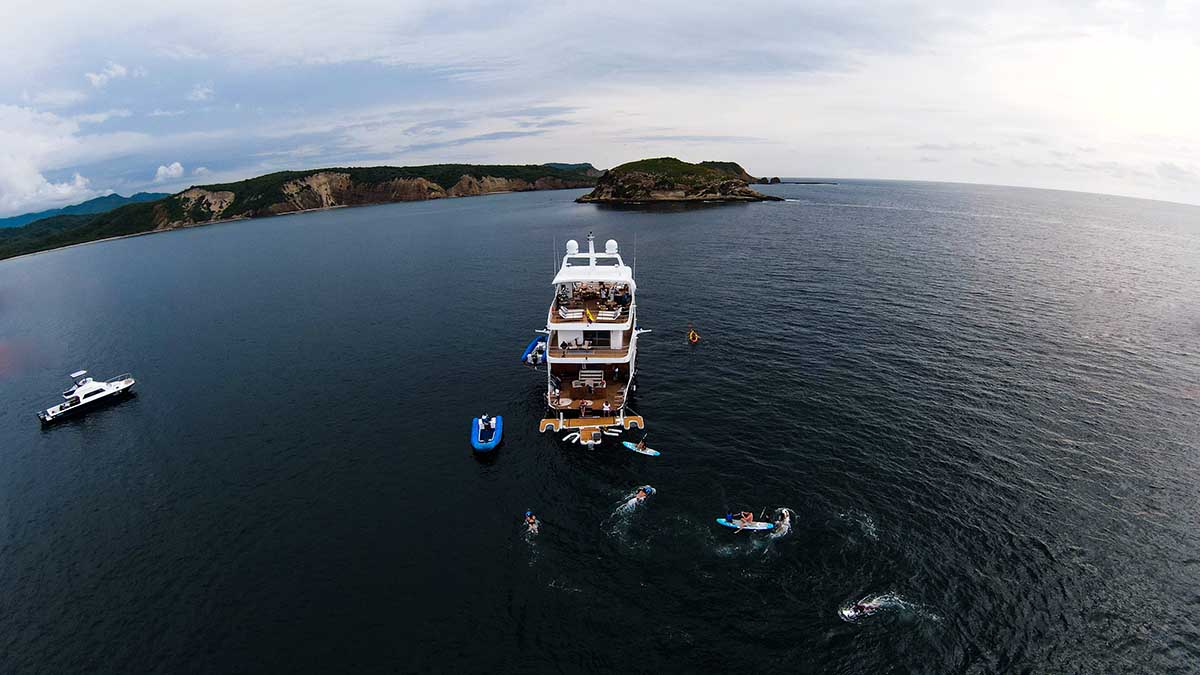
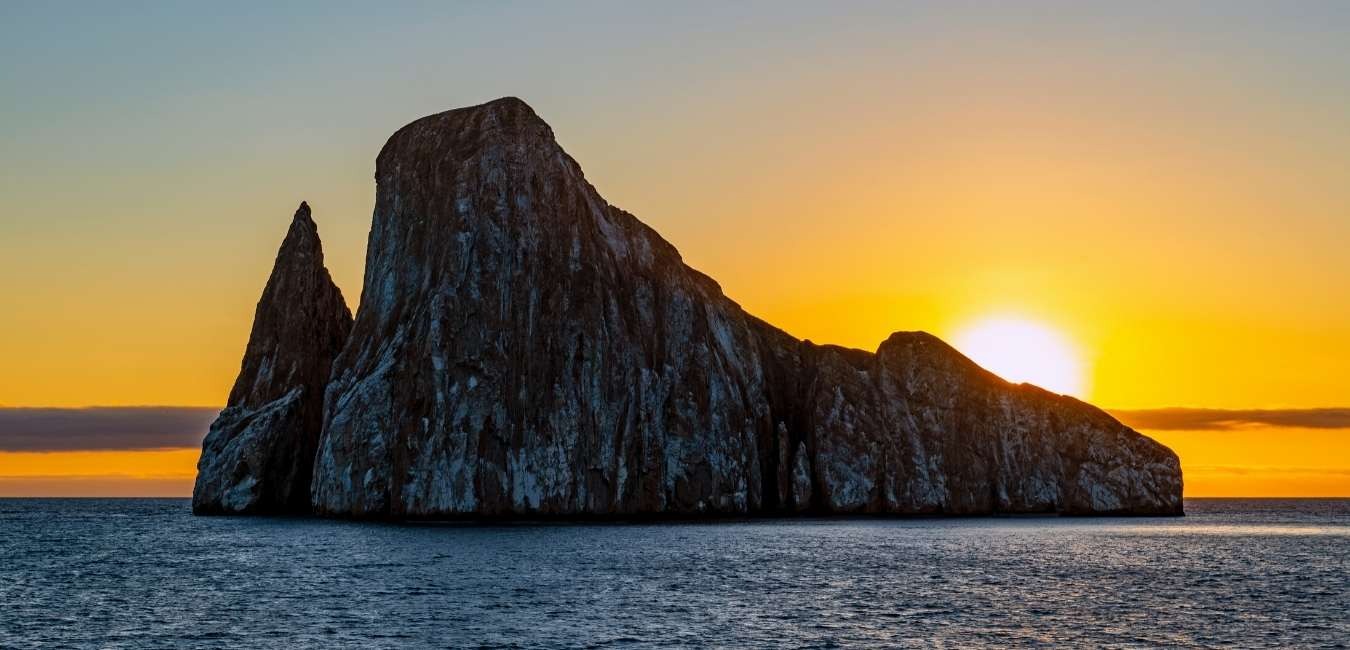
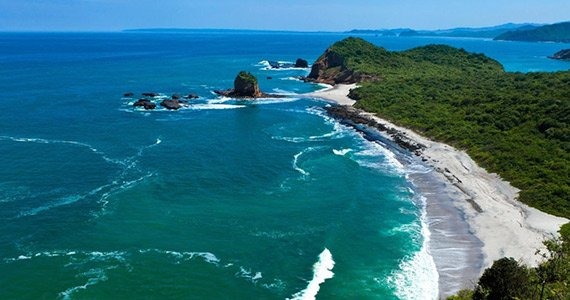
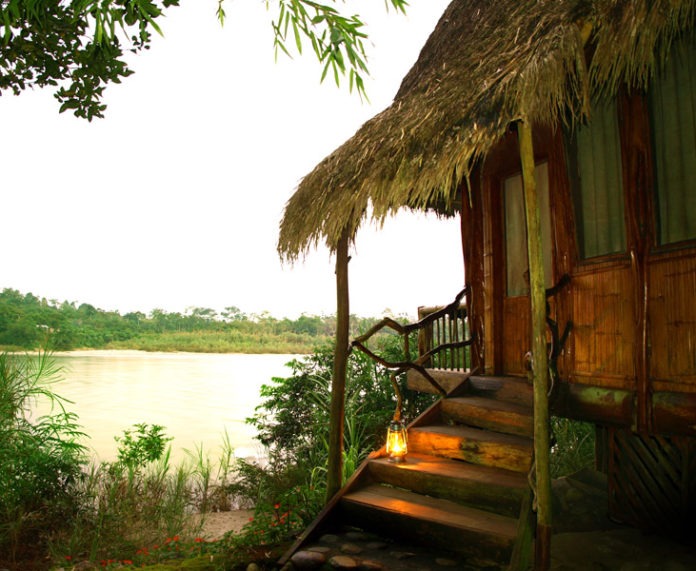
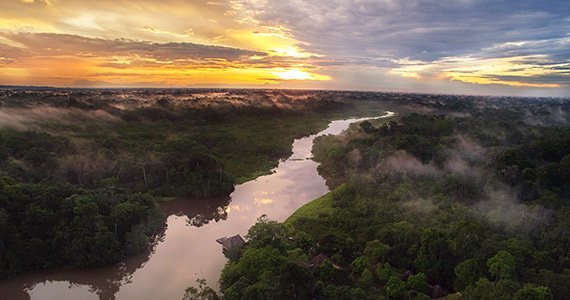
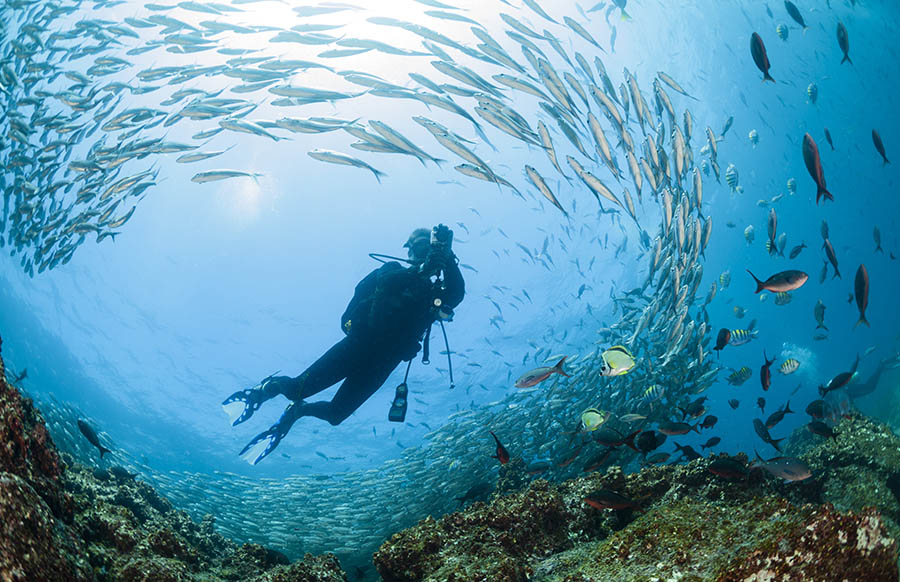
Because of the Country’s location in the Tropics and the Middle of the World, the four regions - Andes, Amazon, Beaches and Galapagos have unique features and attractions; you can easily travel “from the sea to the sky” in a short period of time to get a good glance of all that Ecuador has to offer. We are sure your Ecuador vacationsill be unforgettable!.
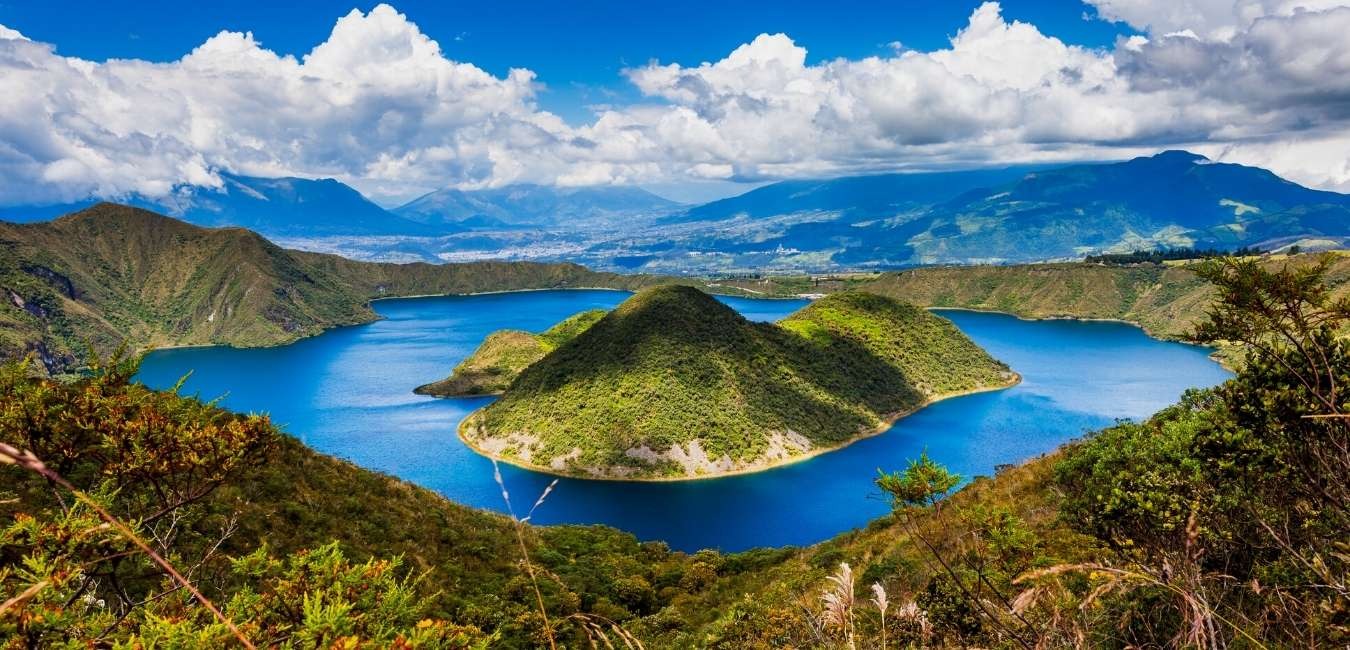
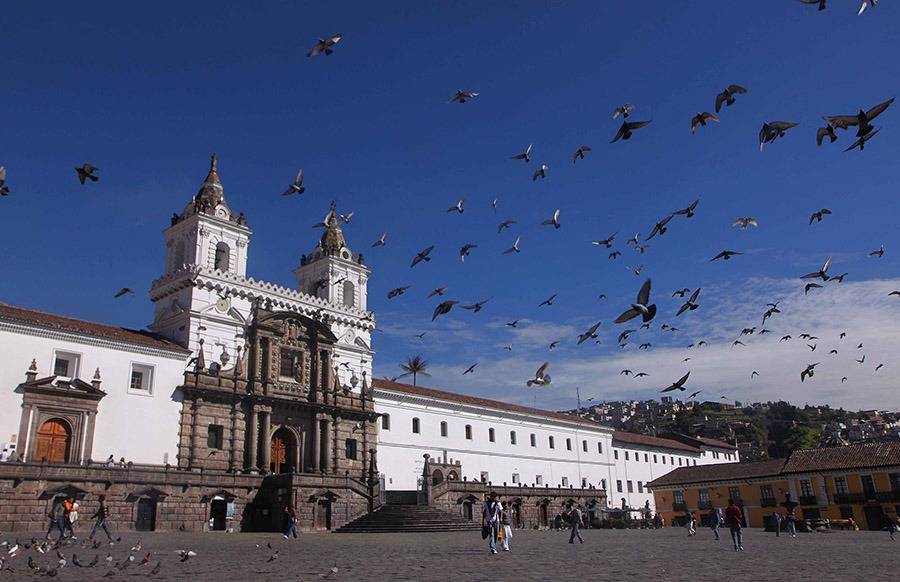
Charming Cities of Ecuador
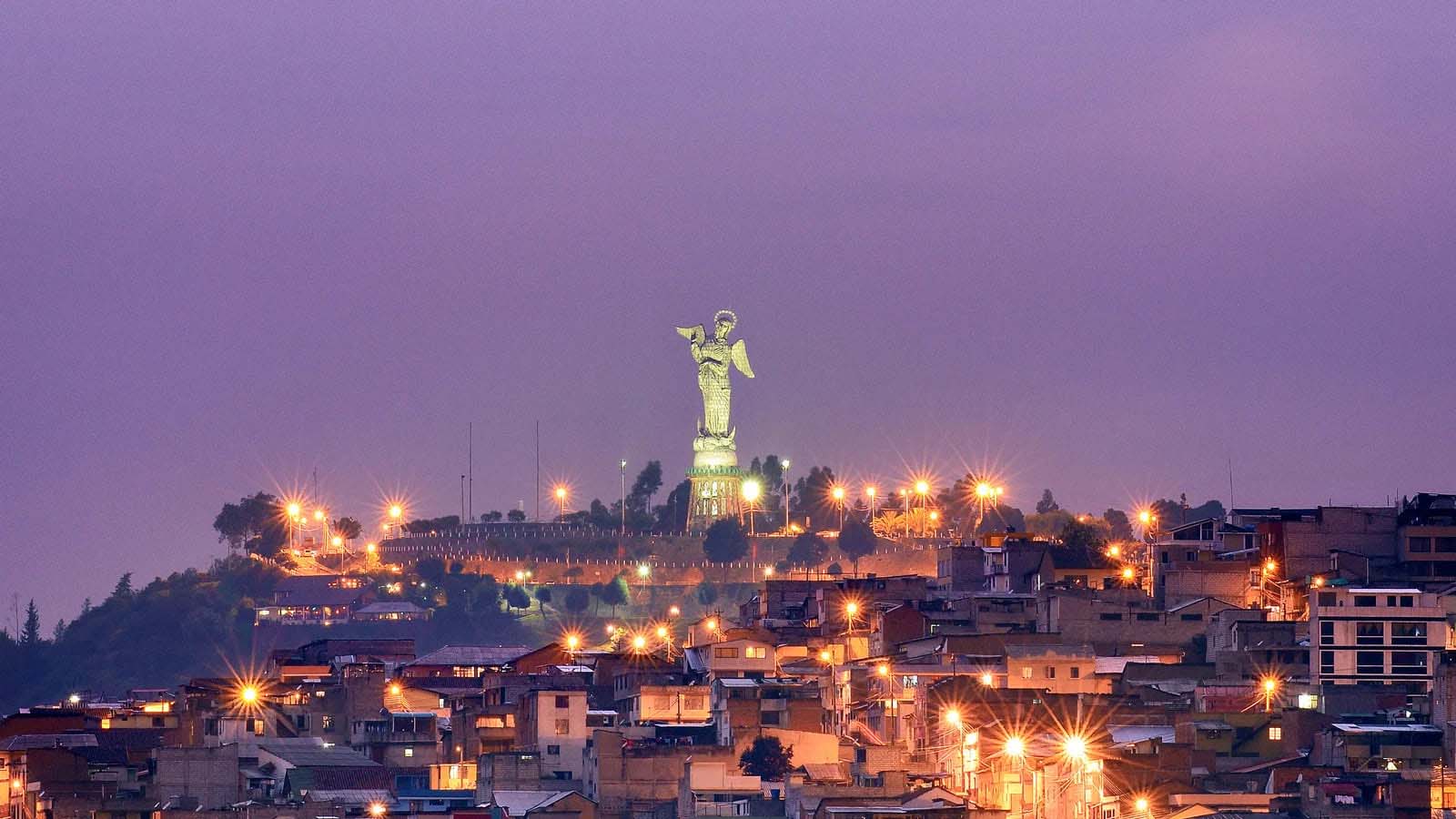
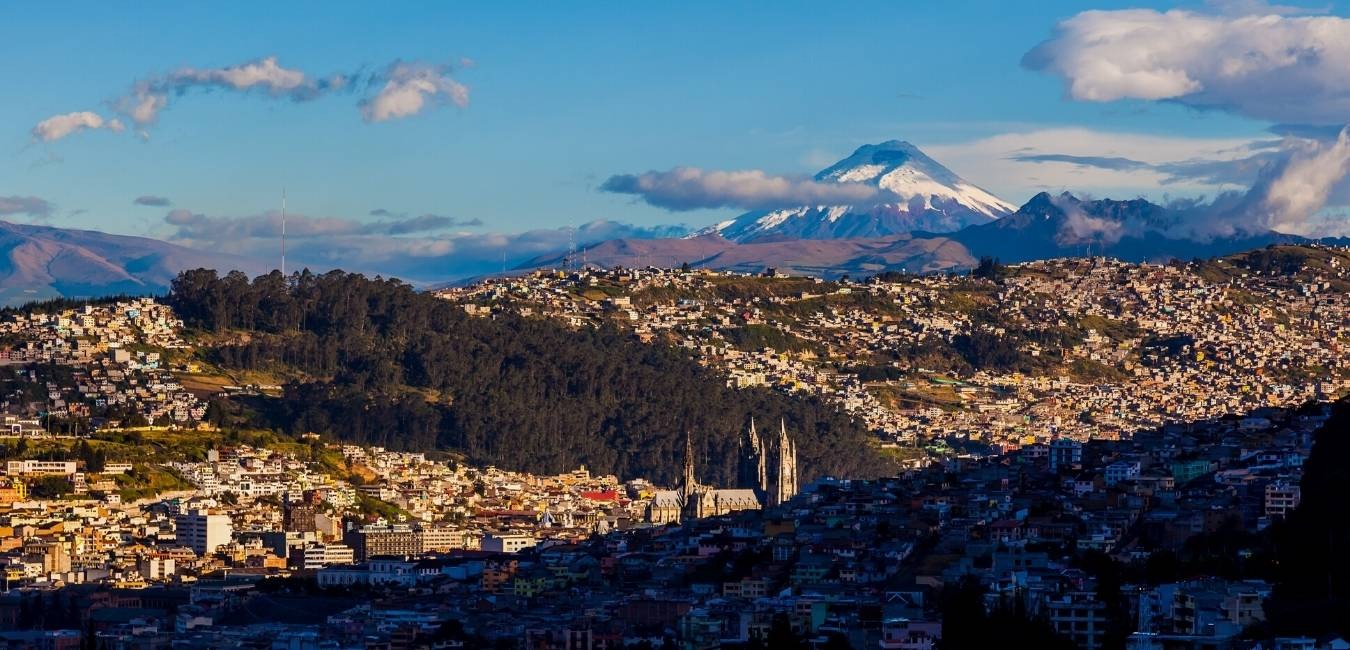
Come touch the sky and get your breath taken away in Quito, the capital of Ecuador
Ecuador Climate Guide
Celcius (C) - Fahrenheit (F) - Rainfall (")
| Destination | Jan | Feb | Mar | Apr | May | Jun | Jul | Aug | Sep | Oct | Nov | Dec |
|---|---|---|---|---|---|---|---|---|---|---|---|---|
| Bahía de Caraquez | 82°F/75°F | 82°F/75°F | 84°F/75°F | 84°F/75°F | 84°F/73°F | 84°F/73°F | 82°F/71°F | 82°F/71°F | 82°F/71°F | 82°F/71°F | 82°F/71°F | 82°F/73°F |
| 28°C/24°C | 28°C/24°C | 29°C/24°C | 29°C/24°C | 29°C/23°C | 28°C/23°C | 28°C/22°C | 28°C/22°C | 28°C/22°C | 28°C/22°C | 28°C/22°C | 28°C/23°C | |
| 4'' | 6'' | 6'' | 4'' | 2'' | 1'' | 0'' | 0'' | 0'' | 0'' | 0'' | 1'' | |
| Guayaquil | 86°F/75°F | 86°F/75°F | 87°F/75°F | 87°F/75°F | 86°F/73°F | 84°F/71°F | 82°F/69°F | 84°F/69°F | 84°F/69°F | 84°F/69°F | 86°F/71°F | 86°F/73°F |
| 30°C/24°C | 30°C/24°C | 31°C/24°C | 31°C/24°C | 30°C/23°C | 29°C/22°C | 28°C/21°C | 29°C/21°C | 29°C/21°C | 29°C/21°C | 30°C/22°C | 30°C/23°C | |
| 4'' | 8'' | 7'' | 5'' | 2'' | 1'' | 0'' | 0'' | 0'' | 0'' | 1'' | 1'' | |
| Machala | 86°F/75°F | 87°F/75°F | 87°F/77°F | 87°F/75°F | 86°F/75°F | 84°F/73°F | 82°F/71°F | 80°F/69°F | 80°F/71°F | 80°F/71°F | 82°F/71°F | 84°F/75°F |
| 30°C/24°C | 31°C/24°C | 31°C/25°C | 31°C/24°C | 30°C/24°C | 29°C/23°C | 28°C/22°C | 27°C/21°C | 27°C/22°C | 27°C/22°C | 28°C/22°C | 29°C/24°C | |
| 2'' | 4'' | 5'' | 2'' | 1'' | 0'' | 0'' | 0'' | 0'' | 0'' | 0'' | 1'' | |
| Manta | 82°F/73°F | 82°F/75°F | 82°F/75°F | 82°F/73°F | 82°F/73°F | 80°F/73°F | 80°F/73°F | 78°F/69°F | 78°F/69°F | 78°F/71°F | 80°F/73°F | 80°F/73°F |
| 28°C/23°C | 28°C/24°C | 28°C/24°C | 28°C/23°C | 28°C/23°C | 27°C/22°C | 27°C/22°C | 26°C/21°C | 26°C/21°C | 26°C/22°C | 27°C/22°C | 27°C/23°C | |
| 3'' | 6'' | 5'' | 3'' | 1'' | 1'' | 0'' | 0'' | 0'' | 0'' | 0'' | 1'' | |
| Montañita | 78°F/73°F | 80°F/73°F | 82°F/75°F | 80°F/73°F | 77°F/71°F | 73°F/68°F | 71°F/64°F | 69°F/64°F | 69°F/64°F | 71°F/66°F | 73°F/68°F | 75°F/69°F |
| 26°C/23°C | 27°C/23°C | 28°C/24°C | 27°C/23°C | 25°C/22°C | 23°C/20°C | 22°C/18°C | 21°C/18°C | 21°C/18°C | 22°C/19°C | 23°C/20°C | 24°C/21°C | |
| 2'' | 5'' | 5'' | 3'' | 1'' | 0'' | 0'' | 0'' | 0'' | 0'' | 0'' | 1'' | |
| Baños | 68°F/51°F | 66°F/51°F | 66°F/51°F | 66°F/51°F | 64°F/51°F | 64°F/50°F | 62°F/48°F | 64°F/48°F | 66°F/48°F | 68°F/50°F | 68°F/50°F | 68°F/50°F |
| 20°C/11°C | 19°C/11°C | 19°C/11°C | 19°C/11°C | 18°C/11°C | 18°C/10°C | 17°C/9°C | 18°C/9°C | 19°C/9°C | 20°C/10°C | 20°C/10°C | 20°C/10°C | |
| 4'' | 5'' | 5'' | 5'' | 4'' | 3'' | 1'' | 2'' | 2'' | 3'' | 3'' | 3'' | |
| Cuenca | 60°F/50°F | 60°F/50°F | 62°F/50°F | 62°F/50°F | 59°F/48°F | 55°F/46°F | 53°F/44°F | 53°F/44°F | 55°F/44°F | 57°F/46°F | 59°F/48°F | 60°F/50°F |
| 16°C/10°C | 16°C/10°C | 17°C/10°C | 17°C/10°C | 15°C/9°C | 13°C/8°C | 12°C/7°C | 12°C/7°C | 13°C/7°C | 14°C/8°C | 15°C/9°C | 16°C/10°C | |
| 2'' | 3'' | 4'' | 3'' | 2'' | 1'' | 1'' | 1'' | 1'' | 2'' | 2'' | 2'' | |
| Ibarra | 75°F/57°F | 73°F/57°F | 73°F/57°F | 73°F/57°F | 73°F/57°F | 73°F/57°F | 73°F/57°F | 75°F/57°F | 75°F/57°F | 75°F/57°F | 73°F/57°F | 73°F/57°F |
| 24°C/14°C | 23°C/14°C | 23°C/14°C | 23°C/14°C | 23°C/14°C | 23°C/14°C | 23°C/14°C | 24°C/14°C | 24°C/14°C | 24°C/14°C | 23°C/14°C | 23°C/14°C | |
| 4'' | 5'' | 5'' | 6'' | 4'' | 2'' | 1'' | 1'' | 1'' | 2'' | 3'' | 3'' | |
| Latacunga | 66°F/48°F | 66°F/48°F | 64°F/50°F | 64°F/50°F | 64°F/50°F | 62°F/48°F | 62°F/48°F | 62°F/46°F | 64°F/46°F | 66°F/48°F | 66°F/48°F | 66°F/48°F |
| 19°C/9°C | 19°C/9°C | 18°C/10°C | 18°C/10°C | 18°C/10°C | 17°C/9°C | 17°C/9°C | 17°C/8°C | 18°C/8°C | 19°C/9°C | 19°C/9°C | 19°C/9°C | |
| 4'' | 5'' | 5'' | 5'' | 4'' | 2'' | 1'' | 1'' | 2'' | 3'' | 3'' | 3'' | |
| Otavalo | 68°F/51°F | 68°F/51°F | 68°F/51°F | 68°F/51°F | 68°F/51°F | 68°F/51°F | 68°F/51°F | 68°F/51°F | 69°F/51°F | 69°F/51°F | 68°F/51°F | 68°F/51°F |
| 20°C/11°C | 20°C/11°C | 20°C/11°C | 20°C/11°C | 20°C/11°C | 20°C/11°C | 20°C/11°C | 20°C/11°C | 21°C/11°C | 21°C/11°C | 20°C/11°C | 20°C/11°C | |
| 4'' | 5'' | 6'' | 6'' | 4'' | 2'' | 1'' | 1'' | 1'' | 2'' | 3'' | 3'' | |
| Quito | 64°F/50°F | 64°F/50°F | 64°F/50°F | 64°F/50°F | 64°F/50°F | 77°F/73°F | 75°F/71°F | 75°F/69°F | 73°F/69°F | 75°F/69°F | 75°F/71°F | 77°F/73°F |
| 18°C/9°C | 18°C/10°C | 18°C/10°C | 18°C/10°C | 18°C/10°C | 18°C/9°C | 18°C/9°C | 19°C/9°C | 19°C/9°C | 18°C/9°C | 18°C/9°C | 18°C/9°C | |
| 4'' | 5'' | 5'' | 6'' | 4'' | 2'' | 1'' | 1'' | 1'' | 2'' | 3'' | 3'' | |
| Riobamba | 66°F/50°F | 64°F/50°F | 64°F/50°F | 64°F/50°F | 62°F/50°F | 60°F/48°F | 60°F/46°F | 60°F/46°F | 62°F/46°F | 64°F/48°F | 66°F/48°F | 66°F/48°F |
| 19°C/10°C | 18°C/10°C | 18°C/10°C | 18°C/10°C | 17°C/10°C | 16°C/9°C | 16°C/8°C | 16°C/8°C | 17°C/8°C | 18°C/9°C | 19°C/9°C | 19°C/10°C | |
| 4'' | 5'' | 5'' | 5'' | 4'' | 0'' | 0'' | 0'' | 0'' | 0'' | 0'' | 0'' | |
| Macas | 77°F/66°F | 77°F/66°F | 78°F/66°F | 77°F/66°F | 75°F/64°F | 71°F/62°F | 69°F/60°F | 71°F/60°F | 75°F/62°F | 75°F/64°F | 75°F/66°F | 75°F/66°F |
| 25°C/19°C | 25°C/19°C | 26°C/19°C | 25°C/19°C | 24°C/18°C | 22°C/17°C | 21°C/16°C | 22°C/16°C | 24°C/17°C | 24°C/18°C | 24°C/19°C | 24°C/19°C | |
| 3'' | 4'' | 5'' | 5'' | 4'' | 4'' | 3'' | 3'' | 3'' | 4'' | 4'' | 4'' | |
| Napo | 87°F/73°F | 87°F/73°F | 86°F/73°F | 86°F/73°F | 84°F/73°F | 84°F/71°F | 84°F/71°F | 84°F/71°F | 86°F/71°F | 87°F/73°F | 87°F/73°F | 87°F/73°F |
| 31°C/23°C | 31°C/23°C | 30°C/23°C | 30°C/23°C | 29°C/23°C | 29°C/22°C | 29°C/22°C | 29°C/22°C | 30°C/22°C | 31°C/23°C | 31°C/23°C | 31°C/23°C | |
| 4'' | 5'' | 6'' | 7'' | 6'' | 5'' | 4'' | 3'' | 4'' | 6'' | 5'' | 5'' | |
| Pastaza | 82°F/68°F | 82°F/68°F | 80°F/68°F | 80°F/68°F | 80°F/66°F | 78°F/66°F | 77°F/64°F | 78°F/64°F | 80°F/64°F | 82°F/66°F | 82°F/68°F | 82°F/68°F |
| 28°C/20°C | 28°C/20°C | 27°C/20°C | 27°C/20°C | 26°C/19°C | 25°C/19°C | 25°C/18°C | 26°C/18°C | 27°C/18°C | 28°C/19°C | 28°C/20°C | 28°C/20°C | |
| 4'' | 5'' | 6'' | 7'' | 7'' | 6'' | 4'' | 4'' | 5'' | 6'' | 6'' | 5'' |
Ecuador Vacation activities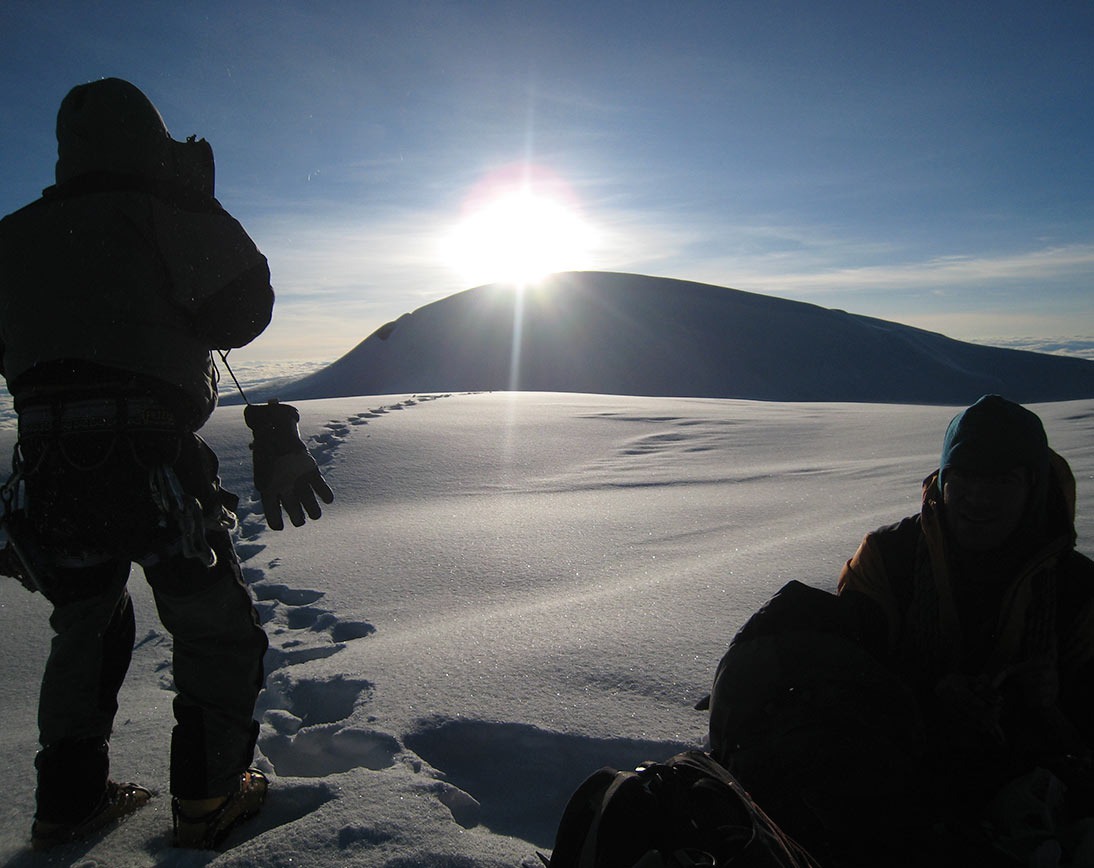
- Trekking: Ecuador is a Country of uneven lands, especially in the Andean region, this makes the Mountain Range a perfect scenario for travelers looking for the most rewarding trekking experiences; trek among wetlands, cloud-forest, glacier, lagoons and moors for an unforgettable Ecuador vacations.
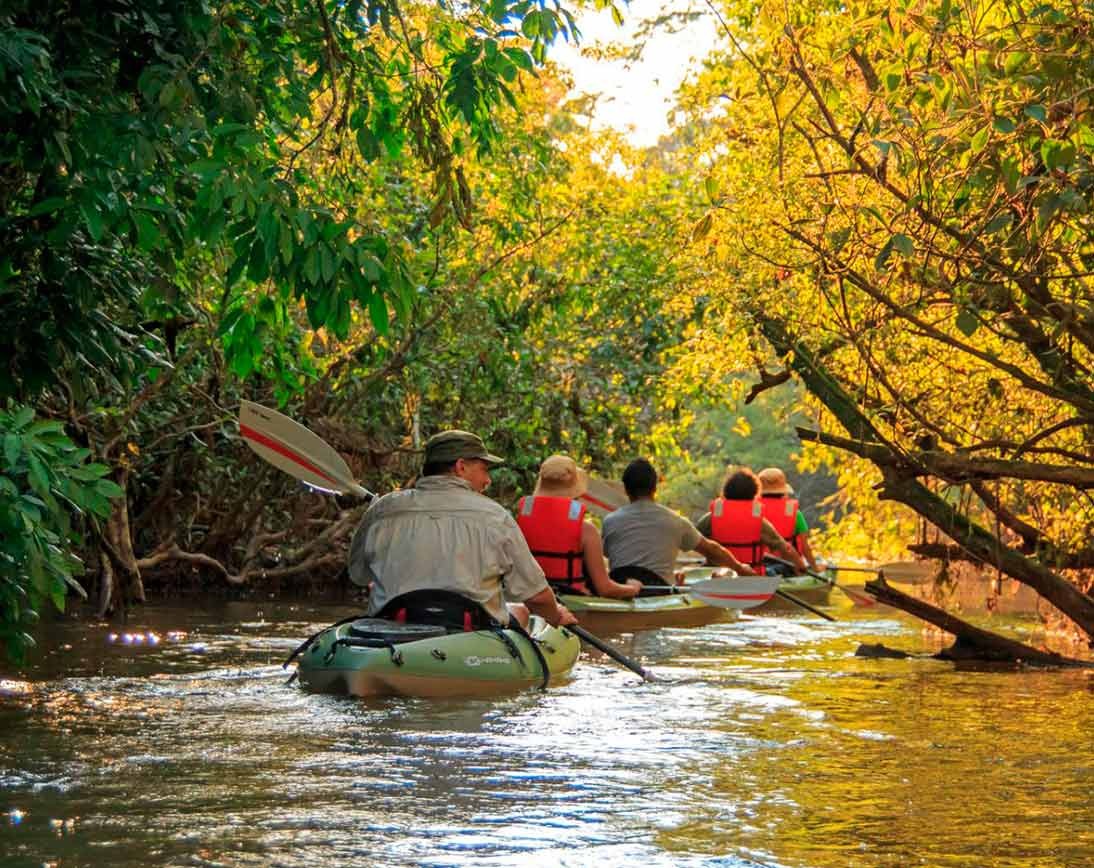
- Rafting: Ecuador offers world-class rafting along the eastern amazon and the western part of the Andes Cordillera The confluence of the Amazon jungle and the Andes mountains is the crossroads of adventure for adventure-seeking rafters and kayakers on amazing whitewater rivers. The best rafting sites can be found in the Amazon Basin and near the Town of Baños.
- Hiking: Been a small Country, Ecuador offers spectacular sites for hiking-lovers: volcanic craters, lagoons, collapsed volcanoes, pristine beaches and primary/secondary forest in the Amazon region. Don’t forget that most trips to the enchanted Galapagos include a lot of hiking!
- Biking: Mountain-biking is very popular among Ecuadorians and visitors who wish to explore the Country in a more exciting manner crossing through amazing landscapes, off-the-beaten track trails and melding with small Towns along the ride.
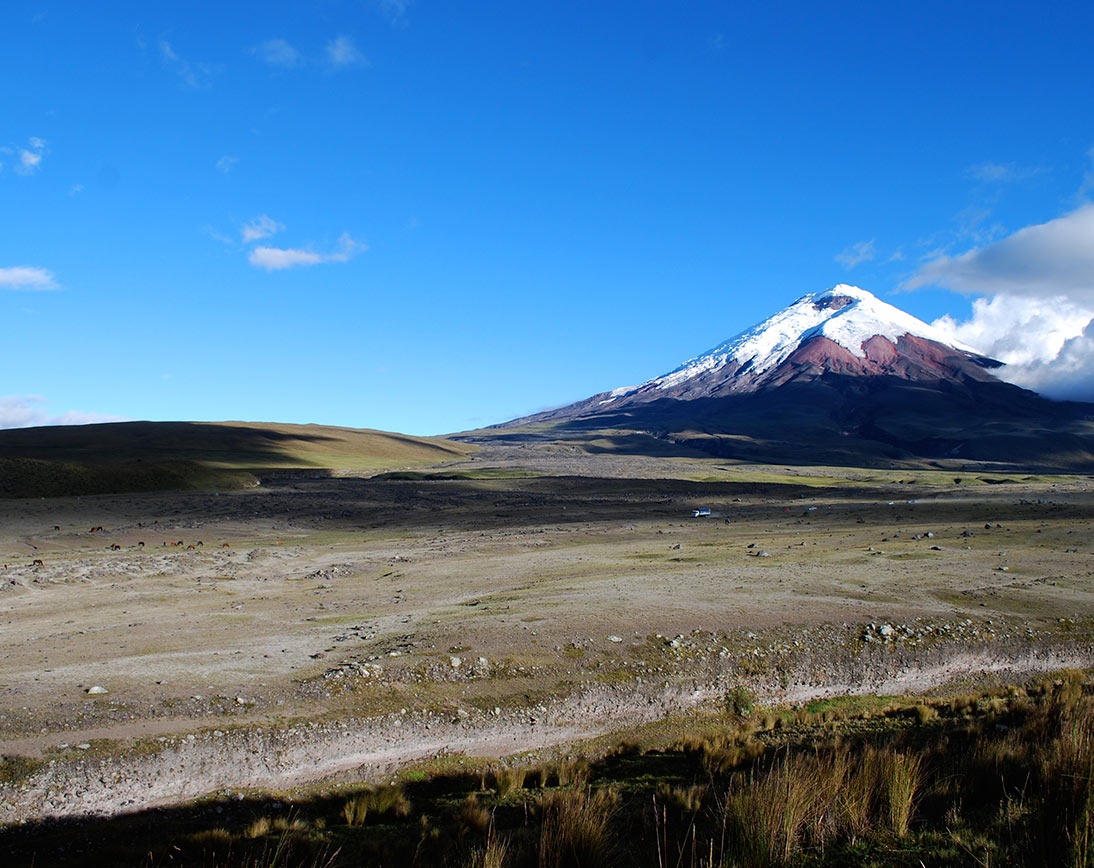
- Climbing: The Andean region is home of the most amazing and challenging mountains and snow-capped volcanoes, perfect for beginner and professional climbers.
Why choose Voyagers to travel to Ecuador?
Voyagers Travel has been arranging dream-holidays for the adventurous traveler who is looking for an incredible experience in Ecuador for over 17 years. Our offices are homebased in Quito, the amazing Capital of Ecuadorians so this gives us the advantage of handling specialized tours and trips and be able to follow up on every visitor during their holiday, ensuring peace of mind, security and personalized service throughout your voyage with us. Also the fact that we work only with local providers and operators to ensure quality of product and service to guarantee the best Ecuador vacations.
Frequently Asked Questions
When is the best time to travel to Ecuador for vacations?
Ecuador welcomes visitors year-round, offering pleasant weather throughout most of the year. While it lacks the typical four seasons, its consistently agreeable climate ensures a delightful experience whenever you choose to explore.
It will also depend on the region you will be visiting; we recommend to stay informed or contact one of our travel experts for more information.
What vaccines do I need for my vacations in Ecuador?
The specific vaccines you need for your vacation in Ecuador can depend on various factors, including your current vaccination status, your health history, and the areas you plan to visit. However, some vaccines are commonly recommended for travelers to Ecuador:
- Routine vaccinations (measles, mumps, etc.).
- Hepatitis A and B.
- Typhoid.
- Yellow fever (if visiting certain areas).
- Rabies (if close contact with animals).
- Malaria prevention (if needed for specific regions).
Consult a healthcare professional for personalized recommendations.
How long can you travel to Ecuador?
Tourists can typically visit Ecuador for up to 90 days without a visa, depending on their nationality. Visa extensions and other types of visas are available for longer stays, such as for work, study, or residency. Always check official sources for accurate information.
Do Americans have to change their currency when they travel to Ecuador?
No, Americans do not need to change their currency when traveling to Ecuador. The official currency in Ecuador is the US Dollar (USD), so American visitors can use their US Dollars directly for transactions without the need for currency exchange.
What documents do I need to travel to Ecuador?
As when you travel to other countries, travel to Ecuador requires some essential documents like an identification card, a passport, visa requirements (if your nationality requires a visa for entry), and an Ingala Card (Only if you visit the Galapagos).
These are some essential documents; it is always wise to be informed about other document requirements.
Why vacation in Ecuador?
Vacationing in Ecuador offers a mix of stunning and unique natural landscapes, from the diverse ecosystems of the Galápagos Islands to the lush Amazon rainforest and the majestic Andes mountains. The country's rich cultural heritage, adventure activities like trekking and wildlife spotting, the charming capital city of Quito, and its affordability make it a compelling destination. Enjoy delicious cuisine, friendly locals, and a year-round warm climate, all adding up to a memorable and diverse vacation experience.
What is the best time to travel to Ecuador?
Ecuador is open to visitors all year round, with pleasant weather for most of the time. It may not have the four typical seasons, but its consistently pleasant climate will ensure a delightful experience wherever you choose to travel.
For more information, we recommend that you contact our travel experts or stay informed.
Where to go in Ecuador for vacations?
Ecuador has plenty of activities that you can enjoy, in each region of the country you will find unique experiences to live and enjoy, the must-visit places are:
- Galápagos Islands for unique wildlife.
- Quito's historic center and city views.
- Cuenca's colonial charm.
- Amazon Rainforest for incredible biodiversity and cultural experiences.
- Baños for outdoor activities.
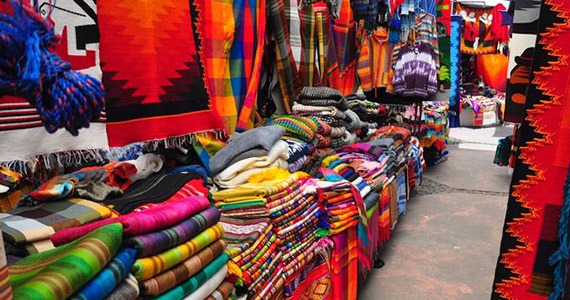
- Otavalo's indigenous market.
- Mindo's cloud forest.
- Manta for beaches and seafood.
- Ingapirca's Inca ruins.
- Ecuadorian Amazon for cultural experiences.
How safe is Ecuador for travel?
Ecuador is a secure destination for travelers. Similar to any other country, it's a good idea to stay informed about both recommended and less recommended areas to visit. To enhance your understanding, you can explore our blog focused on safety in Ecuador.
How expensive is an Ecuador vacation package?
The cost of an Ecuador vacation package can vary widely based on several factors, including the duration of your trip, the level of luxury you're seeking, the destinations you plan to visit, the activities you want to do, and your personal spending preferences.
As travel experts, we will help you build your trip with the best experiences for your budget.
Here, you can calculate your travel budget based on your preferences.
What do I need to travel to Ecuador?
To travel to Ecuador, you'll need a valid passport with at least six months of validity beyond your departure date, check visa requirements for your nationality, consider yellow fever vaccination if needed, have travel insurance, change your money to the national currency, which is the US dollar, bring a travel adapter for local outlets, and keep your local embassy or consulate contact information handy. Always stay informed.